How Does It Differ from Conventional Scanning UV Printers?
The DREAMS One Pass has created quite a stir across the industry recently. Many advertising processing factory owners have a common question when they first hear about it: what exactly is the DREAMS One Pass high-speed UV flatbed printer, and how is it different from regular scanning UV printers? Today we will break down the differences between the two machines in plain language. By the end of this article, you will understand why the DREAMS One Pass is hailed as a revolutionary product in the industry.
The DREAMS One Pass high-speed UV flatbed printer is an industrial assembly-line printing device. A full-width fixed array of printheads stays stationary, while sheets are conveyed through the printing zone for one-shot full printing. Multi-pass printing back and forth is also available for high-image-quality requirements. Conventional scanning UV printers are the mainstream flatbed models on the market: sheets are fixed on the platform, and a printhead carriage shuttles left and right to complete layered overprinting. Their core difference boils down to moving media with stationary printheads versus stationary media with moving printheads. This fundamental divide creates massive gaps in printing speed, image quality, order compatibility and production costs.
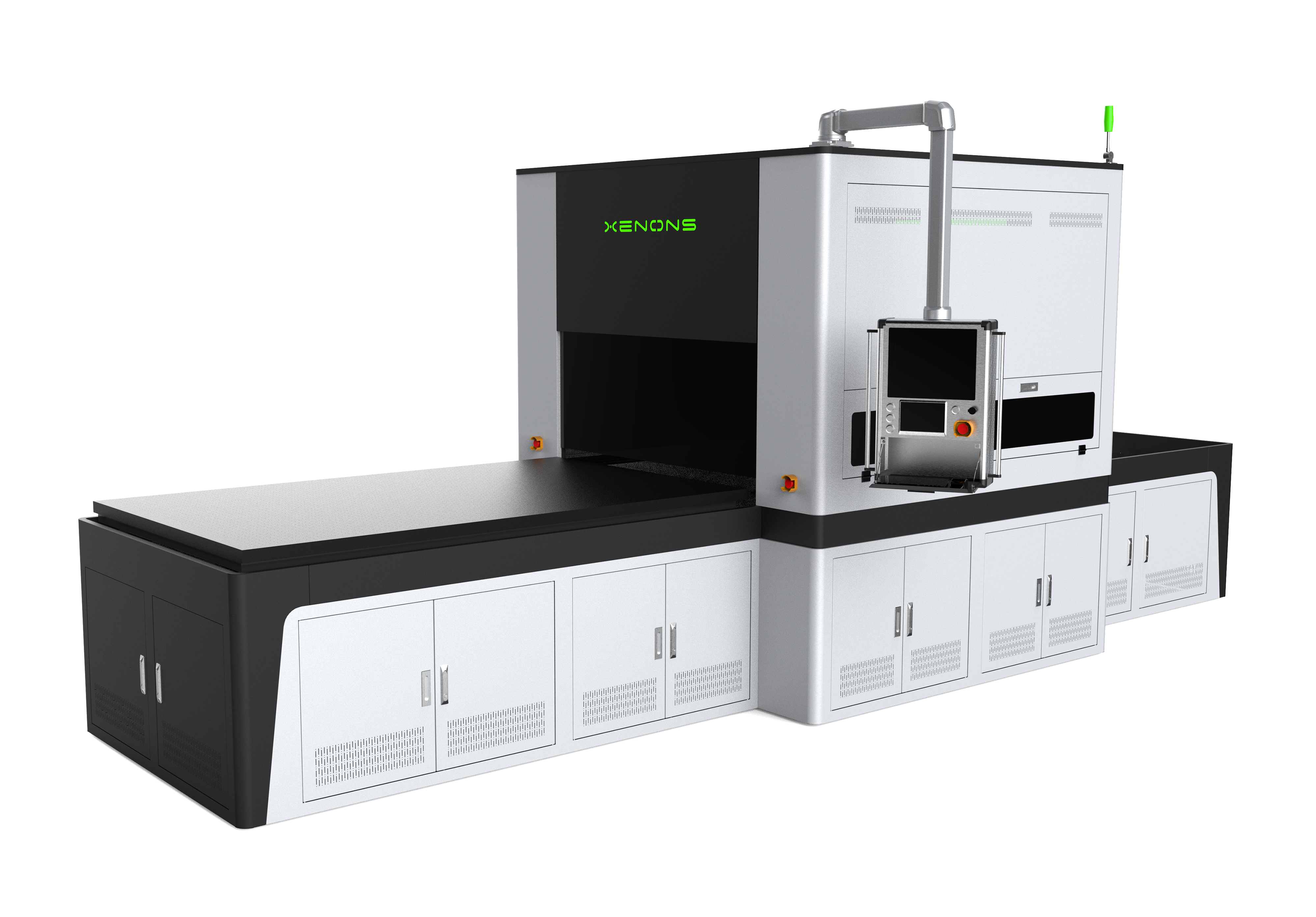
An In-Depth Look at the DREAMS One Pass High-Speed UV Flatbed Printer
This machine is engineered for mass production efficiency. Its full horizontal width is fitted with a complete set of Epson T3200 industrial printheads. An eight-zone air suction system firmly secures sheets to prevent warping or shifting. Full-width printing finishes in a single sheet pass, with instant curing powered by synchronized UV lamps. A standard 1.2m×2.4m board only takes over ten seconds to print in the 6-pass high-precision mode, delivering an output of several hundred square meters per hour. It can be paired with automatic loading and unloading robotic arms, requiring just one operator to oversee the entire production line. The heavy-duty frame delivers exceptional stability, supporting non-stop 24-hour production.
Mass-produced identical sheets feature perfectly consistent color rendering. Compatible substrates include KT boards, PVC boards, hollow sheets, acrylic, glass, ceramic tiles, wood panels, metal sheets and more. It is ideal for rush orders and bulk large orders such as batch store signage, complete packaging sets and standardized signage runs, drastically shortening delivery lead times and cutting labor expenses.
Conventional Scanning UV Printers
Models like the popular 6090 and 2513 belong to the scanning category. Sheets are fixed on the printing platform via vacuum suction, and the printhead carriage travels back and forth repeatedly. A single graphic requires 3 to 8 layers of overprinting to achieve full color saturation.
Their advantage lies in broad substrate compatibility: they can print on 5cm-thick panels, embossed crafts, cylindrical curved surfaces and irregular custom pieces. Layered overprinting delivers rich saturation for dark graphics, vivid oil painting textures and solid full-tone backgrounds.
However, they carry obvious drawbacks. Printing speeds are slow, with a single large board taking several minutes to finish. Mass order backlogs frequently lead to missed delivery deadlines. Increasing printing speed creates visible scan banding seams. Mass production also demands heavy labor for manual sheet loading and unloading.
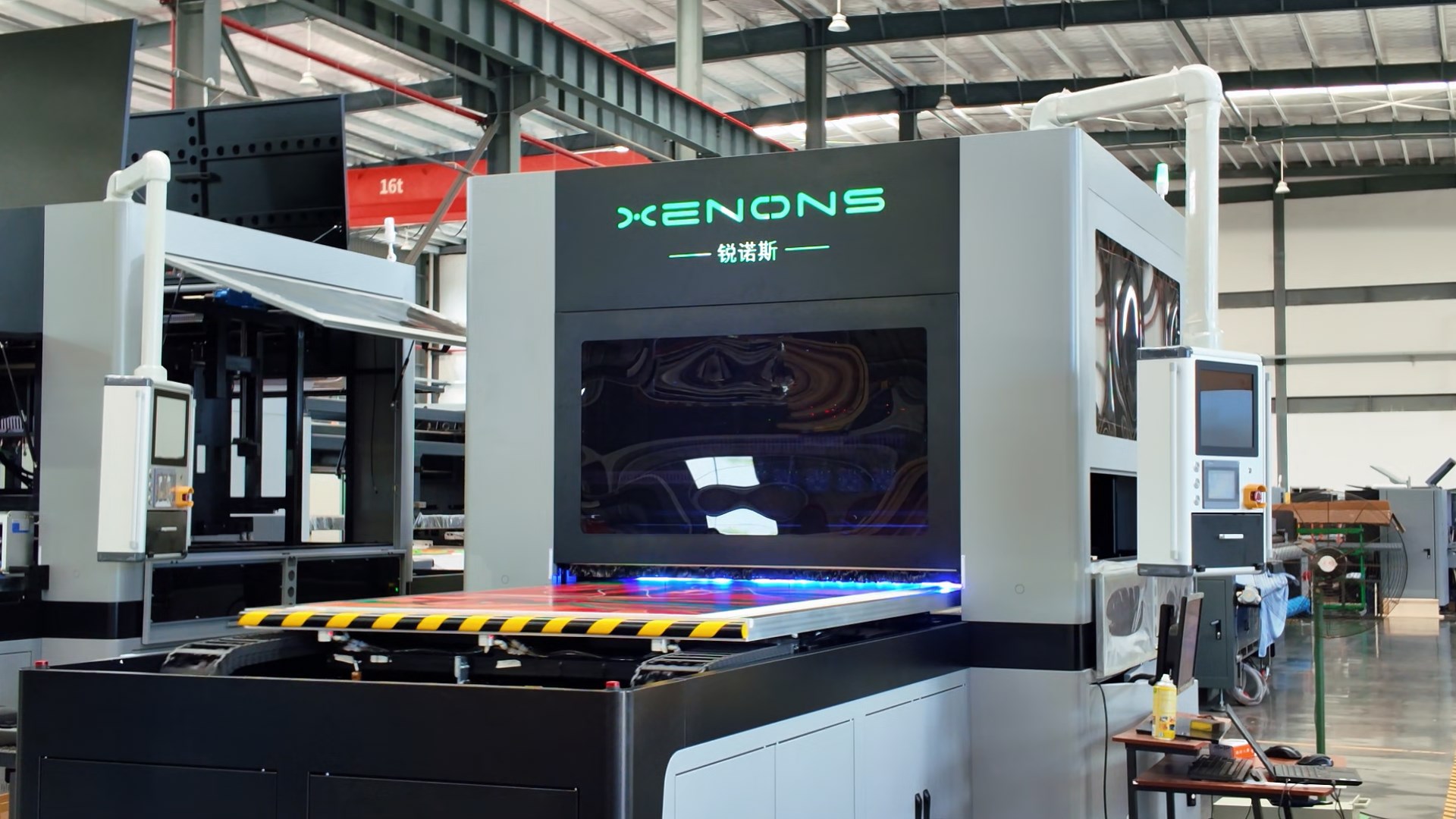
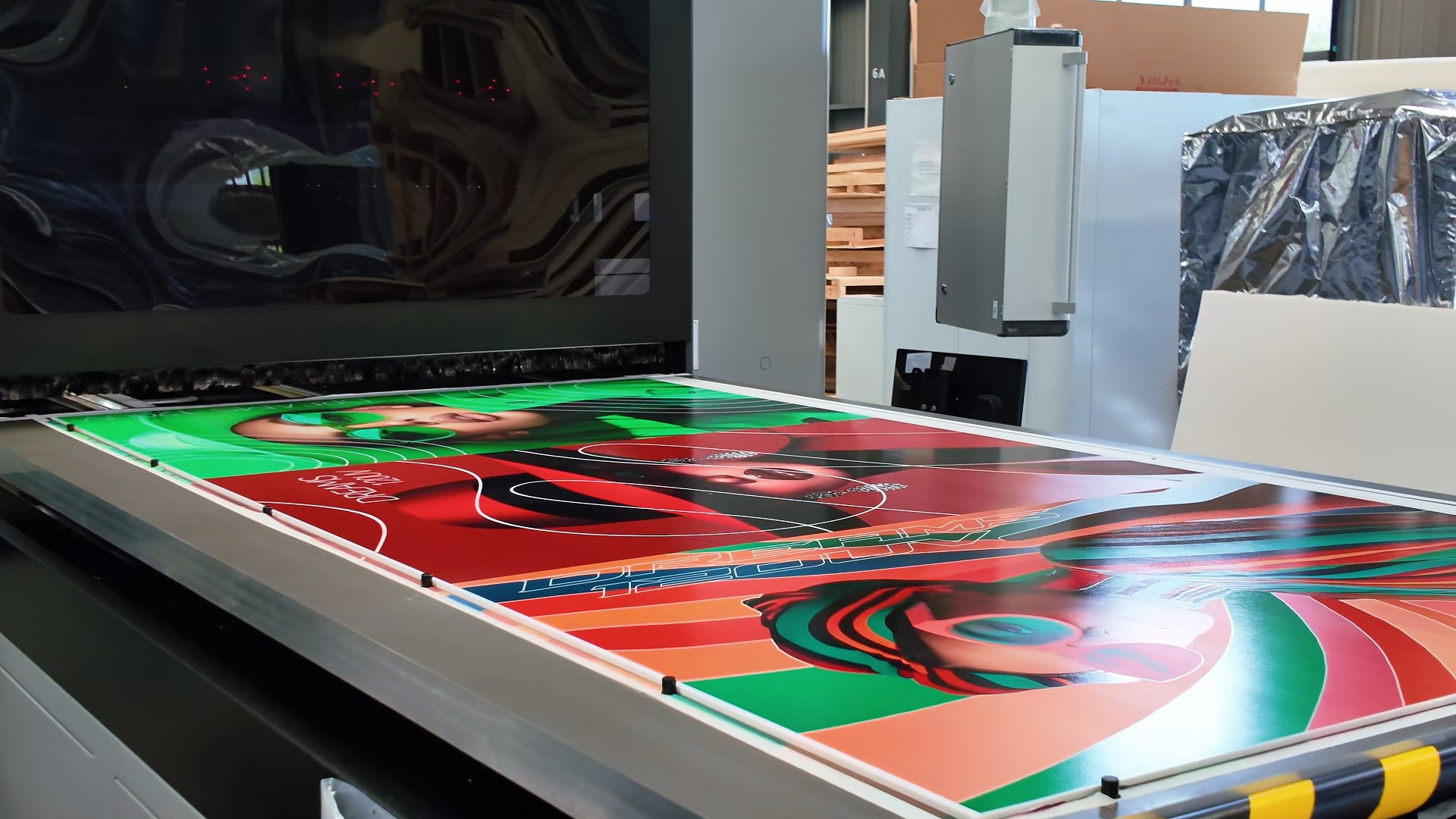
Key Differences Between the Two Printer Types
1. Operating Principle (Core Distinction)
DREAMS One Pass: Stationary full-width printheads, moving conveyored sheets; multi-pass printing modes are optional.
Standard 2513 scanning UV printers: Fixed sheets, graphics completed via back-and-forth reciprocating carriage scanning.
2. Production Capacity
DREAMS One Pass completes full printing in one sheet pass, delivering vastly superior mass production capacity.
Conventional scanning printers require repeated back-and-forth scanning, leading to lengthy print times and insufficient throughput for bulk orders.
3. Print Image Quality
DREAMS One Pass eliminates positional errors from reciprocating carriage movement, resulting in zero horizontal banding or print seams. Consistent color reproduction is guaranteed across bulk runs, with an optional high-definition printing mode.
Scanning printers are prone to scan seam artifacts, which become far more noticeable at accelerated print speeds.
4. Order Compatibility
DREAMS One Pass suits large-batch standardized mass orders and integrates seamlessly with automated production lines, catering to medium-to-large processing factories.
Scanning printers offer superior operational flexibility, making them better suited for small scattered advertising shop orders, custom irregular parts and sample proofing.
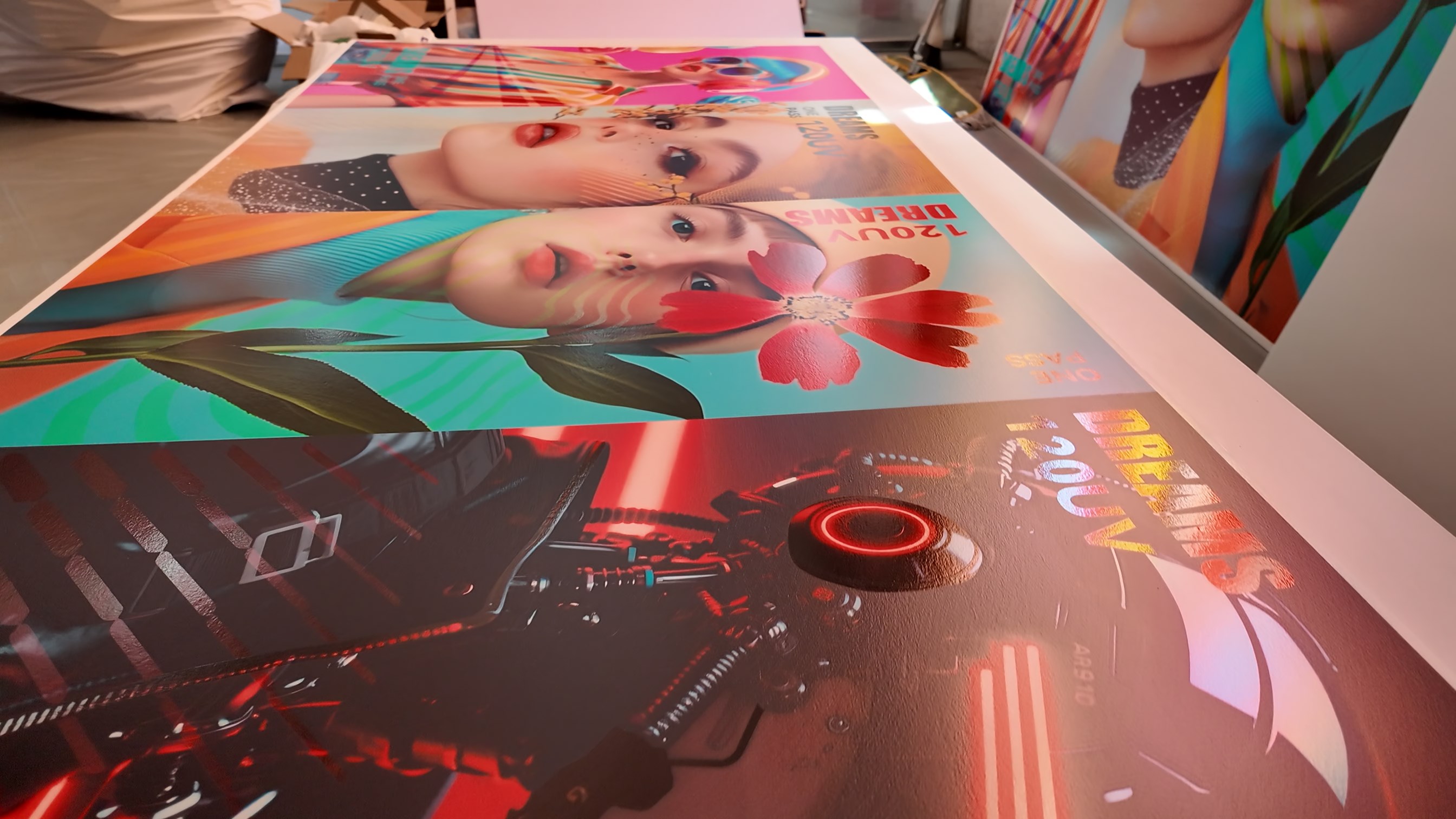
Note: The DREAMS One Pass supports simultaneous matte and glossy printing without separate varnish application.
Four Core Revolutionary Advantages of the DREAMS One Pass High-Speed UV Flatbed Printer
Advantage 1: Dual Speed Modes for Balanced Throughput & Image Quality
Unlike generic One Pass printers limited solely to fast low-quality printing, this model features one-touch single-pass high-speed mode for rush mass orders, plus switchable multi-pass printing for premium high-fidelity graphics with rich, dense layered color. One machine handles both high-volume bulk runs and high-end refined jobs, maximizing application versatility.
Advantage 2: Flawless Print Output with Uniform Bulk Finishes
The fixed full-width printhead array eliminates positional deviation from moving carriages. Whether printing hundreds or thousands of sheets daily, outputs feature zero color variation, horizontal scan lines or print seams. It eliminates rework and touch-up editing, cutting waste and consumable costs significantly.
Advantage 3: Higher Efficiency & Dramatic Labor Savings
Its conveyor assembly-line structure integrates seamlessly with automatic loading/unloading equipment, removing the need for repeated manual sheet positioning. A single operator can manage the full machine. Compared with deploying multiple 2513 scanning printers to match output, it reduces labor headcount and factory floor space, boosting long-term profit margins on orders.
Advantage 4: All-in-One Versatility Solving Long-Standing Industry Pain Points
Traditional scanning printers suffer from slow speeds, while generic One Pass units compromise image quality. The DREAMS One Pass resolves both pain points. It combines assembly-line high throughput with multi-pass high-definition printing capabilities, effortlessly handling both high-volume panel orders and stringent high-end custom jobs to expand a factory’s order scope.
Closing Summary
Conventional scanning UV printers are standard reciprocating printing equipment only capable of fulfilling basic small-batch processing demands. The DREAMS One Pass reimagines the industry’s traditional printing logic. It resolves the core flaws of scanning printers: slow speeds, visible print seams and excessive labor costs, while also fixing the single-image-quality limitation of ordinary high-speed One Pass devices. Functioning as two machines in one, it balances maximum production capacity and premium print quality. This is why it took the advertising processing industry by storm upon launch, earning its reputation as a genuine revolutionary product.

